On February 10, the anti-waste law for a circular economy celebratesits first anniversary! This decisive piece of legislation aims to transform our production and consumption system into a more virtuous model, where biodiversity will be preserved, waste limited, and recyclable materials recycled. To achieve this, the law focuses on five main areas: better informing consumers, combating waste and promoting reuse, taking action against planned obsolescence, improving production methods, and moving away from single-use plastics. This is quite a challenge when you consider that the French throw away an average of 71 kilograms of plastic household packaging per year! Fortunately, to achievethe goal of phasing out single-use plastic packaging by 2040, certain measures have already been put in place. Here is a brief overview of existing and upcoming measures and their implications for businesses.
What is already banned in terms of plastic ✋🏽
According tothe Plastic Atlas published on March 3, 2020, 9.2 billion tons of plastic have been produced since 1950, most of which has been used to make single-use products orpackaging. At its current rate,the plasticsindustry will have released around 56 gigatons of CO2 into the atmosphere by 2050! To stem this tide and combat this colossal pollution, the French government has gradually taken measures, acting to end the marketing of single-use plastic packaging by 2040.
2016: a first step towards zero single-use plastic
This anti-plastic movement began in 2016 with the Energy Transition for Green Growth Act. This law first banned plastic bags from store checkouts, then from shelves, before extending the ban to disposable plates and cups in 2017. In January 2020, with the implementation of the 2018 Egalim law, cotton swabs were banned, and plastic bottles were asked to disappear from school cafeterias.
2021: new restrictions on plastic
With the enactment of the anti-waste law for a circular economy in February 2020, single-use plastic has once again taken a hit. A slew of new measures came into force on January1, 2021, some refining the restrictions announced by the Egalim Law, others imposing new limitations:
- The free distribution of plastic bottles in establishments open to the public and in businesses is prohibited.
- Duringfestive, cultural, or sportingevents, sponsors will no longer be able to impose the use of plastic bottles.
- Plastic confetti is also prohibited.
- Recycling bins must be installed in supermarkets to collect packaging purchased after checkout.
- Expanded polystyrene boxes (such as those used for kebab packaging) are prohibited.
- The manufacture andimport of single-use plastic bags is prohibited.
- Straws, stirrers, steak picks, plastic cutlery, cup lids, and balloon sticks are prohibited.
The ban on the sale of disposable tableware, already prohibited by the Egalim law, now extends to compostable plastic plates and cups, which were previously still permitted.
While these measures represent an undeniable step forward, they are only the beginning. The law provides for a review of the reduction, reuse, and recycling targets every five years, which will be set by decree. Among the targets already announced are a move towards 100% recycled plastic by 2025 and a 50% reduction in the number of single-use plastic bottles by 2030.
What will change in 2022 🌍
In 2022, a new wave of restrictions is expected to emerge:
- Plastic packaging for fresh fruit and vegetables weighing less than 1.5 kilograms will be banned.
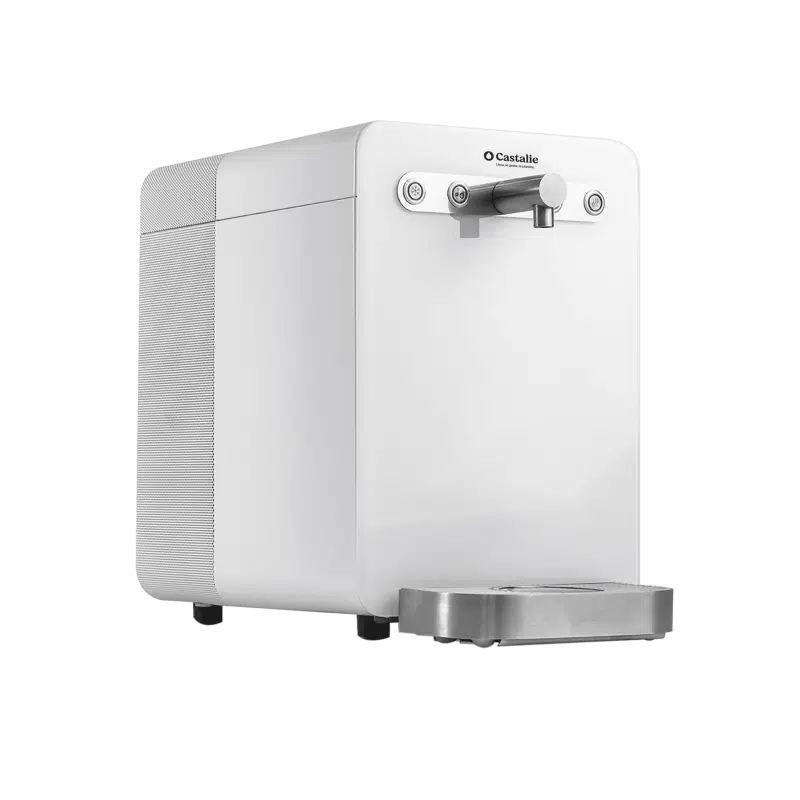
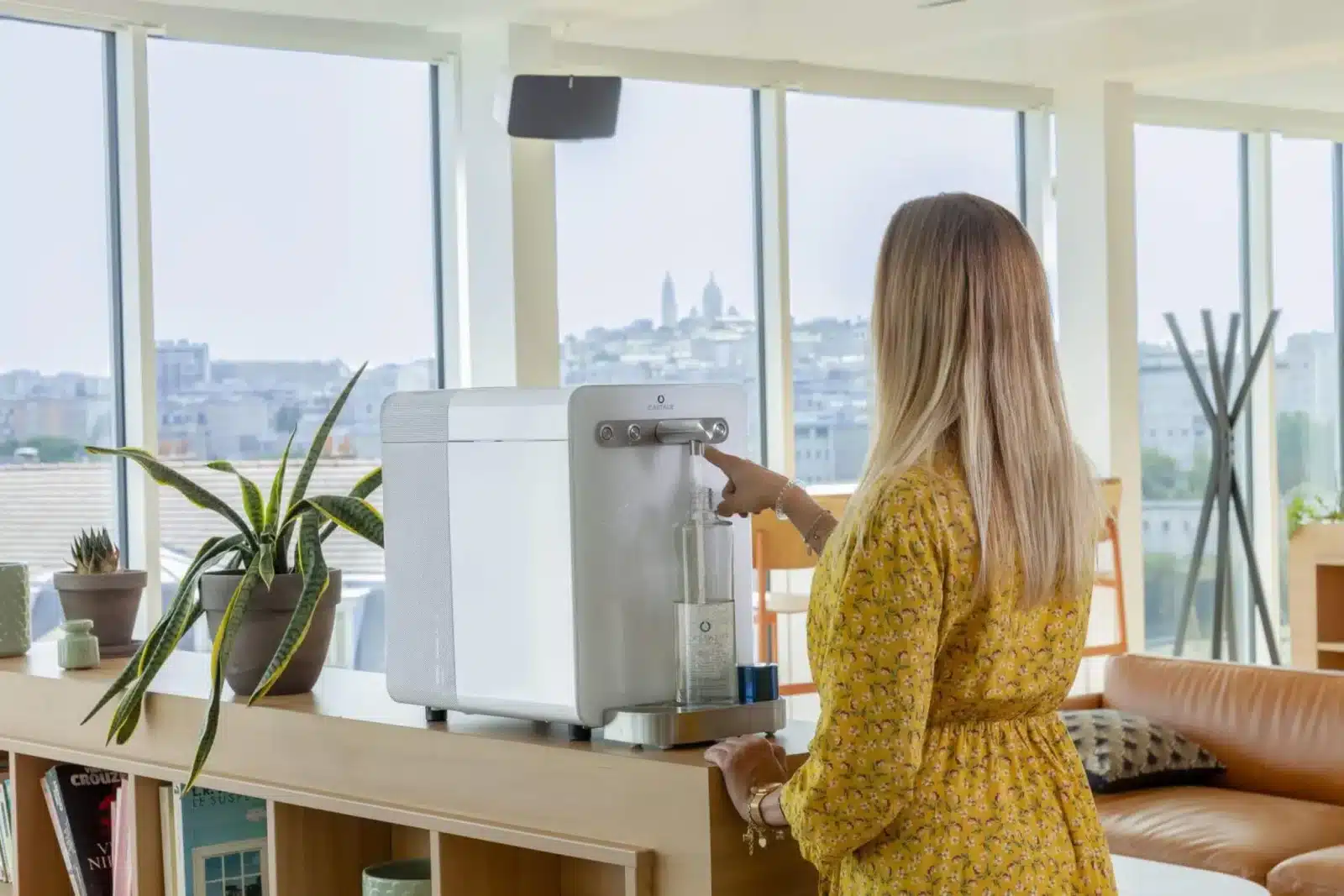
- Establishments open to the public will be required to be equipped with at least one drinking fountain accessible to the public.
- Press publications and advertisements will be shipped without plastic packaging.
- Non-biodegradable plastic tea and herbal tea bags will be banned from sale.
- Plastic toys, offered free of charge to children as part of meal deals, will be banned.
- Sticking labels directly onto fruit or vegetables will be prohibited, unless these labels are compostable and made entirely or partly from bio-based materials.
- The government will no longer purchase single-use plastic, whether for use in its workplaces or at events it organizes.
Over the years, consumers will therefore be guided in their purchasing decisions towards products with less and less packaging and greater sustainability, and should be better educated about zero waste, recycling, and reuse, thanks to improvedinformation flow.
In the workplace, companies will also have to support their employees in reducing their consumption of single-use plastics, as certain restrictions on disposable plastics directly affect them .
Zero plastic in the workplace 👩🏽💻
For now, companies have already had to get rid of the infamous plastic and bioplastic stirrers and lids that were a staple of coffee breaks. Cups, which have been banned from sale in supermarkets since the law on energy transition for green growth came into force, will have until July 3, 2021, to disappear from vending machines, where they were still tolerated.
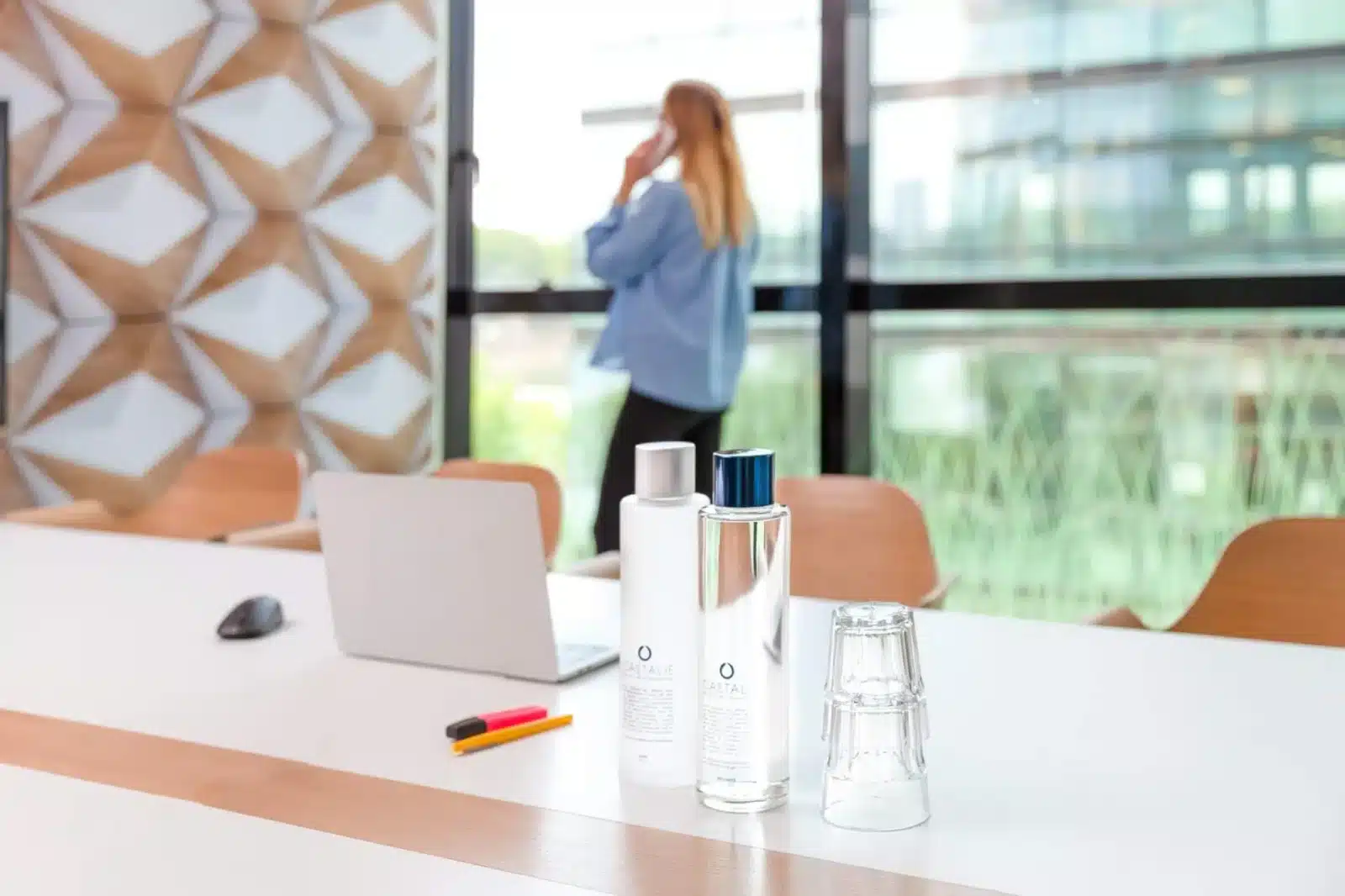
Another significant step forward is that plastic bottles, already banned from school canteens, are now no longer allowed to be distributed free of charge. Bye bye little bottles handed out at appointments or meetings, hello stainless steel flasks and glass bottles! To remain corporate to the very last drop, some brands are even playing the personalization, offering to put a logo on water bottles, for example.
To avoid employees having to fill their water bottles in the restrooms, this year should see an increase in the number of water fountains in open-plan offices. Especially since these will become mandatory in public establishments from January 1, 2022! Although a decree has yet to specify which establishments will be affected by this measure, it is highly likely that businesses will be included. This is an opportunity to install a water fountain design and eco-friendly water fountain!
Finally, for all companies that organize events, be aware that when these resume, sponsors will be prohibited from imposing the use of plastic bottles.
In both the private and professional spheres, single-use plastic should therefore gradually disappear from circulation. The question now is how to replace it. While alternatives are beginning to emerge, some environmentalists warn against "false" solutions, whoseenvironmental impact has yet to be proven.
What are the alternatives?
Various solutions have already been developed to gradually replace single-use plastic.
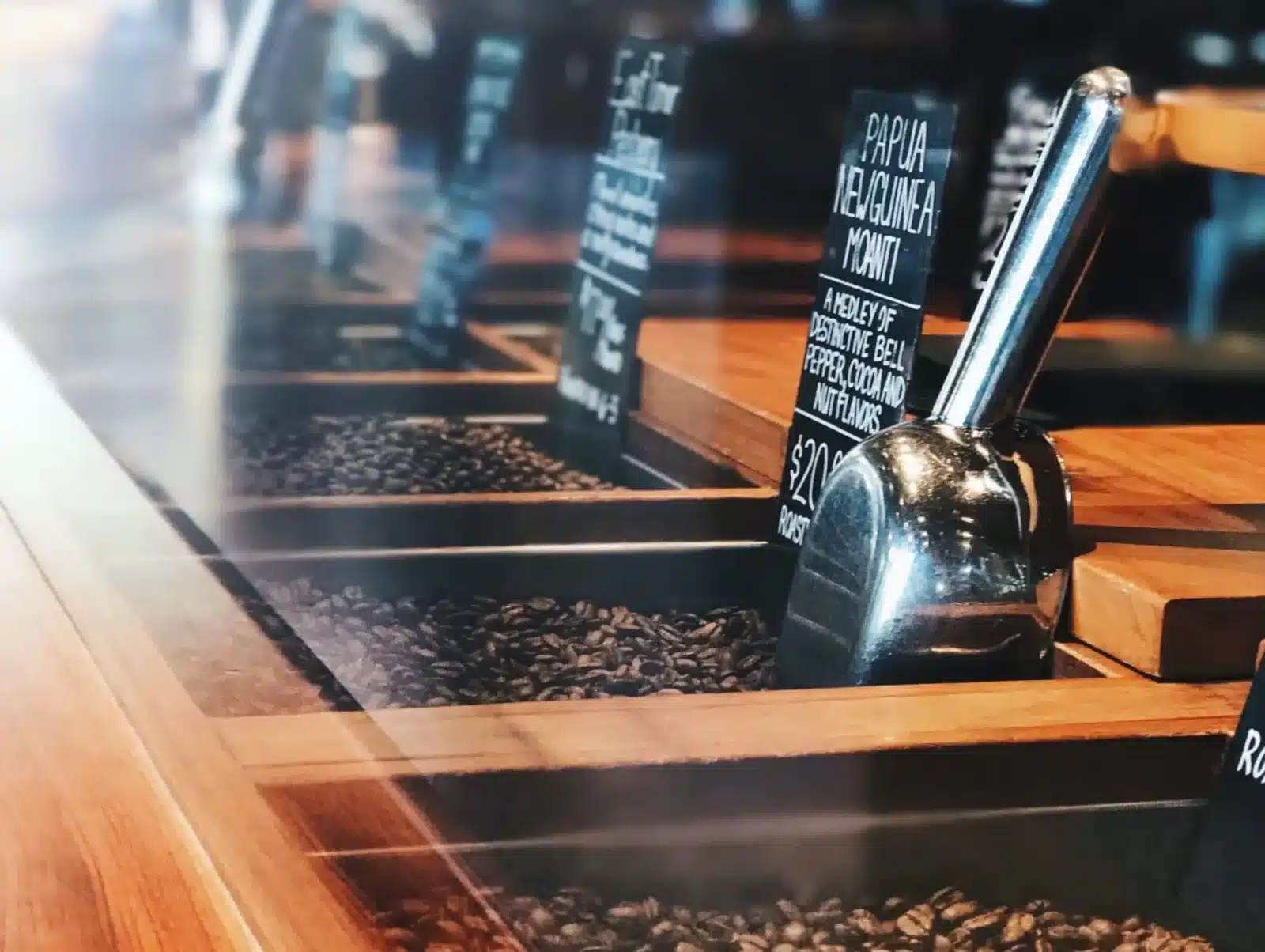
First, bulk goods!
Still confidential a few years ago, this sales method is now spreading throughout small and large stores. It applies to both dry food products with a long shelf life (pasta, rice, cereals, cakes, sugar, etc.), liquid food products (oils, vinegar) and, in some stores, non-food products such as laundry detergent and shower gel.
Returnable packaging
Here too, this solution is beginning to emerge in certain stores, which offer to take back yogurt pots, milk bottles, juice bottles, and soup bottles, clean them, and reuse them. While this solution has the merit of significantly reducing the amount of plastic waste, a study conducted by EY and the WWF nevertheless points tothe impact on water consumption, which is necessary for cleaning the containers.
Bio-based plastics
Be careful with this term, which refers to plastics made partly or entirely from biomass resources (agricultural crop residues, sugarcane, potatoes, etc.). While this type of plastic does use fewer fossil resources, it is not biodegradable . Furthermore, some natural materials are far from having a neutral environmental impact: sugar cane, for example, is grown thousands of miles away from France!
Changes in usage
Yes, to banish plastic, there's nothing like changing your habits! Switching from liquid shower gel to solid soap, for example, or from bottled water to tap water.
According tothe EY/WWFstudy, bulk sales, returnable packaging, changes in usage, and assisted sales (i.e., cutting services, such as for ham, for example) would enable consumers to reduce their plastic consumption by 30% over the next 10 years. WWF study, bulk sales, returnable packaging, changes in usage, and assisted sales (i.e., services such as ham slicing) could reduce household plastic packaging waste by nearly 400,000 tons per year...butwould increase water consumption by 169%. The phase-out of disposable plastic will therefore have to be accompanied by far-reaching changes, both in terms of consumer education and container cleaning plants, which will have to be more efficient and consume less water.
In the years to come… 🌱

Among the measures already announced for the coming years are a ban on disposable tableware in fast food restaurants for meals served on site as of January 1, 2023, a ban on the sale of medical devices containing microplastics as of January 1, 2024, a requirement for new washing machines to be equipped with plastic microfiber filters as of January 1, 2025, and a ban on the sale of rinse-off cosmetics containing microplastics, such as shampoos, soaps, and makeup removers, as of January 1, 2026.
All these measures, if they are properly implemented and provided that consumers are well informed, should make it possible to end the marketing of single-use plastic packaging by 2040. This is a real step forward that urgently needs to be taken, and which will only be possible if we all work together. You know what you have to do!
Text: Coline de Silans
Credit: Emmanuel Delaloy