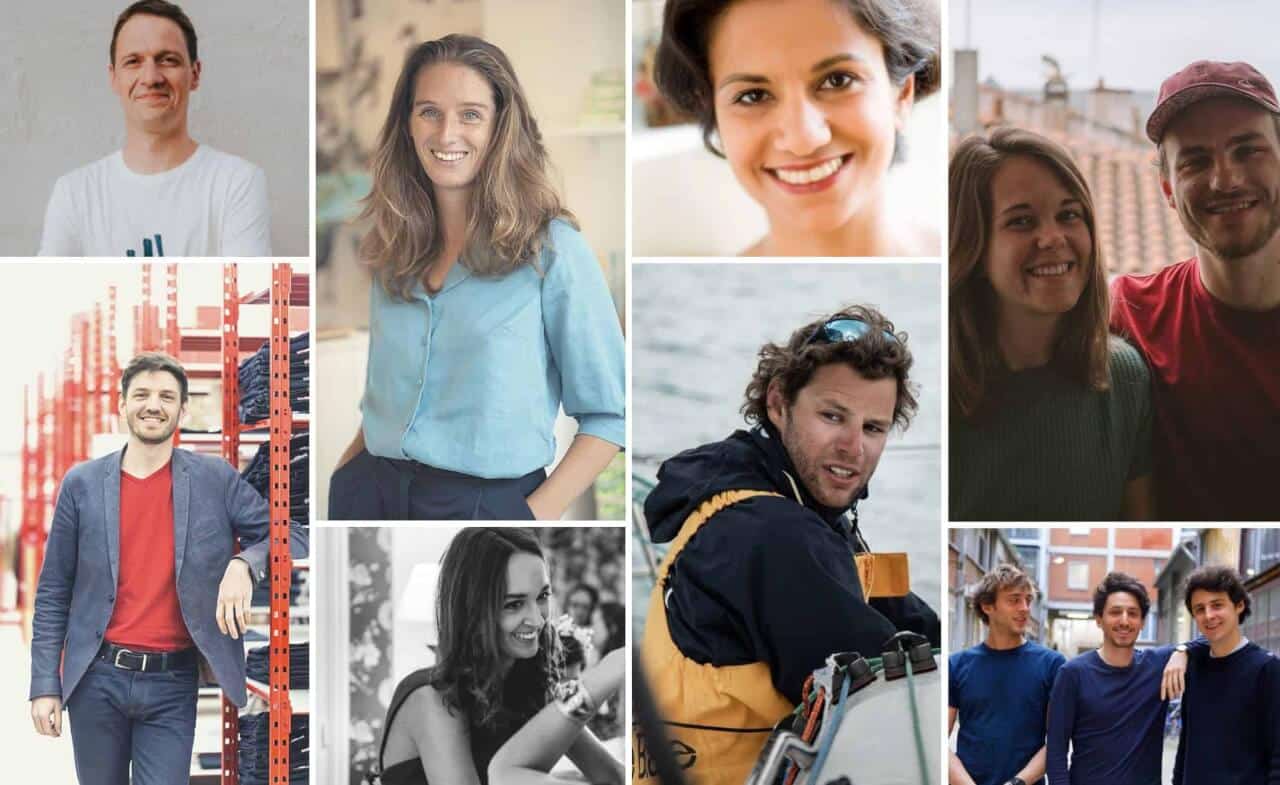
It's a fact: businesses and individuals alike are increasingly seeking meaning and becoming aware of current environmental issues. According to a recent study conducted by ADEME, more than 8 out of 10 French people say they are sensitive or very sensitive to environmental issues. Everyone, at their own level, can become an actor in the ecological transition and have a positive impact on the planet! CASTALIE with 20 people committed to sustainable development and environmental protection to share with you their thoughts on the issue and the positive actions we can take to care for our planet. A wonderful source of inspiration to read without moderation!
Pierrick de Ronne, President of Biocoop
Its history
In 1970, several consumers got together in a garage to share organic and bulk products. This marked the beginning of Biocoop. Pierrick de Ronne joined the adventure in 2009 to "change his life" and moved to Ardèche to become manager of a small Biocoop store in Annonay. Ten years later, he rose through the ranks and was appointed president of the cooperative. " I'm not a salesman at heart, but I found it exciting to combine commerce—a very concrete profession involving contact and exchange—with a committed and militant project that I believe in deeply, " says Pierrick.
Consume less but better
"At first, organic food was not very well known, but today it has become widely available and accessible to all: there has been a major shift in attitudes towards organic food, as it is now becoming the gold standard in nutrition. The health crisis we are currently experiencing is really accelerating this trend among a section of the population who are questioning these issues. Today, there is a strong focus on consuming less but better. "
His eco-friendly habits:
- Reducing waste, buying in bulk, choosing organic and local products: "I think we all have a role to play individually, but the key issue is to understand that every purchase we make is a political act!"
- Be part of a collective movement: "I strongly believe in the power of the collective. Resilience can only be collective, as we are seeing today in this crisis. The key to success is solidarity. In my opinion, it is important to join movements, such as local distribution networks, for example. Individually, these are drops in the ocean, but collectively, they take on a whole new dimension. The best eco-friendly action is to do things with others; that's what collective intelligence is all about."
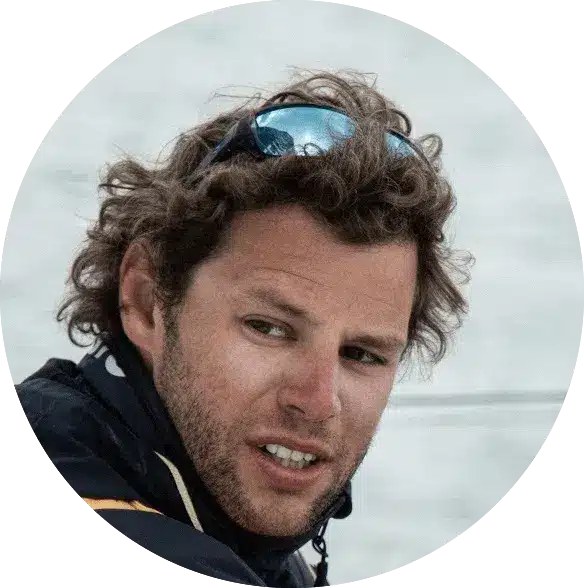
Arthur le Vaillant, committed navigator and member of the collective La Vague
Its history
Arthur le Vaillant grew up near the ocean in La Rochelle, alongside his father, a sailor and navigator, who instilled in him a love of nature and the great outdoors. The young man from La Rochelle spent every weekend and vacation at sea, until the call of the open sea became even stronger. At the age of 20, he embarked on a career in ocean racing. Arthur also studied law, political science, and philosophy: " I wanted to understand the mechanisms of the world, the complexity of life, and its challenges in order to become more involved," he explains.
"The sea is being consumed when we should be protecting it much more."
As a member of the La Vague collective, Arthur le Vaillant and several other sailors are working to raise awareness among all players in the boating industry about the impact their sport has on the ocean: "The sea is being consumed when we should be protecting it much more," says Arthur. Together, they explore, draw up lists of best practices, and engage in dialogue with skippers, boat builders, and sponsors to get them to work together and better preserve nature and biodiversity.
His eco-friendly habits:
- Make cycling a habit: "Somecities are promoting cycling, and most of us have the physical ability to do it but underestimate it. Cycling is the perfect way to set off on an adventure every day."
- Using water, a vital resource, more wisely: " Water management is a key issue. We need to realize that we live in a world of abundant water, but that it is not infinite. It is a finite resource that is consumed in an extreme and completely crazy way, both by individuals and by industry. Water is the gold of the 21st century. We must also realize the importance of water in our daily lives, in a privileged country like France; in other less fortunate countries, water management leads to conflict. It is a very important strategic and geopolitical issue because millions of people do not have access to drinking water. It seems completely crazy to me that we flush our toilets with drinking water."
- The quest for common sense: "Listening again to what our grandparents and great-grandparents did: cooking leftovers, getting involved in short supply chains, cooking more, eating seasonal produce—no tomatoes in winter!"
- Limiting the impact of digital technology: " The impact of digital technology is enormous, and we can see this even more clearly now with lockdown! We need a list of best practices, full of little tips to help us become better web users. This is really one of the challenges facing our generation, because we are going to live increasingly connected lives and the ecological cost will only increase."
- Continue learning: " Listen to popularizers who help you better understand the world and encourage you to become more involved, compare different points of view, don't always stick to the same old routine, the same dynamics, because there are many truths."
Hélène Allera-Marie, founder of Mero Mero
Its history
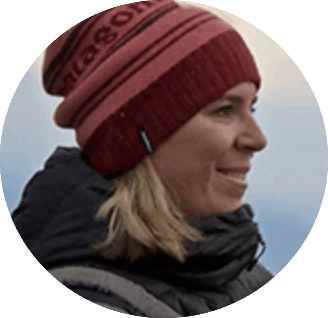
After 10 years in marketing and communications, Hélène Allera-Marie launched Mero Mero in October 2016, a brand of bags and accessories for adventurers of all ages. Hélène came up with a simple concept: to design and manufacture ingenious, stylish, and durable products for active parents. Mero Mero's modular bags are eco-designed in Annecy, manufactured responsibly, and built to last for years, while using a minimum of resources to limit their impact on the environment.
His eco-friendly habits:
- Eliminating plastic packaging: “At MeroMero, we have been thinking about polybags: we would like to avoid using plastic bags to protect our products, but the textile industry is still looking for an effective solution... We are obliged to use them for hygiene and transport reasons from Vietnam. Why not repackage them in paper bags? Or set up a recycling system for polyethylene film?"
- Choosing eco-friendly materials: "With the least possible impact on the environment, such as recycled nylon (fishing line) or recycled polyester (plastic bottles). We have ensured that our products are durable, repairable, and recyclable (by avoiding mixing too many different fibers, for example). But we are only at the beginning of the process."
- Choose reusable containers: "Every day, we sort our waste, we only use reusable containers, we buy coffee without plastic lids, we drink tap water from glass bottles... These actions have ultimately become quite commonplace."
Camille Ratia, editor of the blog Camille se Lance
Its history
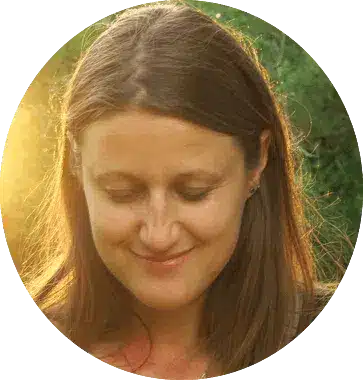
By increasing her eco-friendly actions—buying in bulk, subscribing to local vegetable baskets, making her own household and cosmetic products, and taking a course on discovering wild plants—Camille Ratia decided to start her blog: Camille se Lance. With recipes, articles, and great initiatives, Camille promotes zero waste in every way possible. She even published her first book, Le Zéro Déchet, in 2018!
The many facets of zero waste
“I realized that zero waste was so much more than just a matter of trash! Minimalism, conscious consumption, the importance of organic products, short supply chains, local and seasonal vegetables,slow fashion, responsible consumption, ethics, but also the Colibri movement and happy sobriety…”
His eco-friendly habits:
- Eliminate plastic from your home: "Look at the items you use every day and try to imagine what you could replace them with that isn't plastic: plastic kitchen utensils can easily be replaced with wooden or stainless steel utensils, shampoo and shower gel bottles with solid cosmetics, etc."
- Adopt a water bottle: "Having a stainless steel water bottle means you don't have to buy bottled water or use plastic cups when you're out and about."
- Always carry a few cloth bags with you: "Having a few cloth bags of different sizes allows you to refuse plastic bags when you go grocery shopping or shopping."
Olivier Tangopoulos, founder of Foodette
Its history
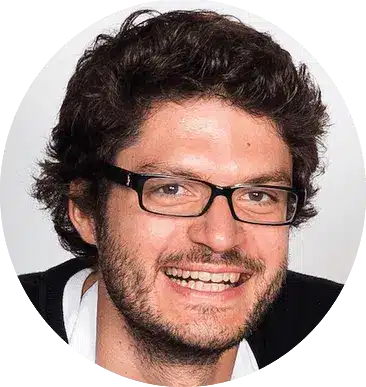
Olivier Tangopoulos started with a simple observation: every time he wanted to organize a dinner on a weeknight, it was an "obstacle course" to find a recipe idea, buy the right ingredients, and cook them well. In 2012, he created Foodette to deliver weekly recipe boxes containing all the right ingredients for cooking. Today, the start-up has grown significantly and, in addition to its five weekly recipes, offers fruit, cheese, and dessert boxes, all carefully selected from small French producers.
Eating local and seasonal means learning about new products.
"In 2012, it was the beginning of the anti-junk food movement, which motivated me to create this service to bring back the excitement of preparing evening meals. The work involved in sourcing is enormous, because we offer products directly from producers, seasonal, as local and as carefully selected as possible, without any controversial additives. Today, people are becoming more aware and interested in products, and at Foodette we also do this educational work by delivering lesser-known products that are just as good as the stars of the supermarkets."
His eco-friendly habits:
- Turn over the products you want to buy to read the labels and ingredient lists: "The ingredient list should be reduced to the essentials!"
- Eating seasonal produce: "We must stop accepting supermarkets offering us kiwis from New Zealand when France produces them five months of the year. It's all about seasonality, choosing what's closest and most local, using common sense! Things are changing, and that's a good thing, but there has been a lack of education and transmission of culinary and food knowledge over the last 40 years, which we now need to make up for."
- Start with some simple steps: “Choose tap water over bottled water, dry soap and shampoo, stop buying products containing palm oil... These are easy steps to take!”
Malaury Morin, co-founder of Blutopia
Its history
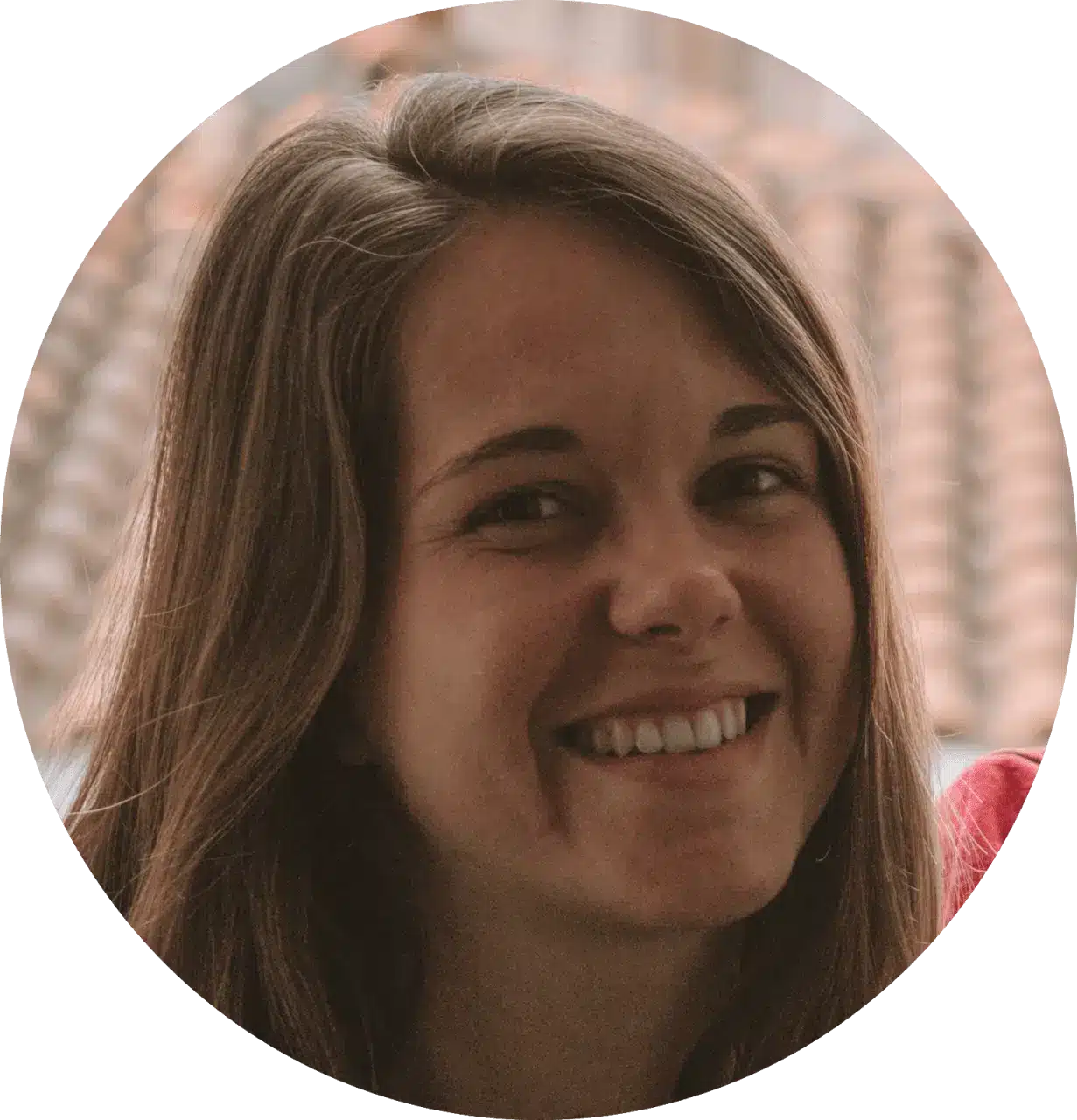
Born in La Rochelle, Malaury Morin spends a lot of time in the ocean and quickly realized that plastic pollution is everywhere. Together with her boyfriend Julien Gerbet, a diving instructor, they decided to change their daily lives by adopting a zero-waste approach and becoming vegan overnight: "It's a good thing on an individual level, but we need to work together to have a real impact, so we created Blutopia." Blutopia is a positive media outlet that shows how we can act collectively to reduce plastic pollution in the oceans. After a grand tour of Southeast Asia, where they met many entrepreneurs, Malaury and Julien are releasing a positive documentary next September that highlights concrete initiatives implemented there.
Plastic is not perceived in the same way across different countries and social classes.
“The use and proliferation of plastic varies greatly depending on the countries we visited: in Myanmar, the least “developed” country we visited, tradition is still very strong and many people bring their own lunch boxes to the market, while on the other hand, single-use plastic is becoming increasingly common in small shops. In Thailand, plastic is everywhere: it's more hygienic, more practical, and also more modern. It's the wealthier classes who are beginning to question the use of plastic. "
His eco-friendly habits:
- Changing your diet: "It's not necessarily the easiest thing to do when you start out, but it can have a big impact quickly by limiting animal products."
- Prioritize local products: "Going to farmers' markets, for example, can be applied to all everyday products, such as soap. There are plenty of local soap makers in France!"
- Minimizing waste without restricting yourself: "At first, we were very strict about zero waste, and at one point it became very restrictive. For example, with tofu, which is usually packaged in plastic. We still buy it, because when you're vegan and zero waste, it's not always easy to avoid compromising. You have to have zero waste as a goal, something you want to strive for."
- No longer flying and limiting travel that is harmful to the environment as much as possible: "It's radical but important. We flew a lot during our tour of Asia, but now we've decided not to fly at all."
Caroline Bettan, co-founder of Newcy
Its history
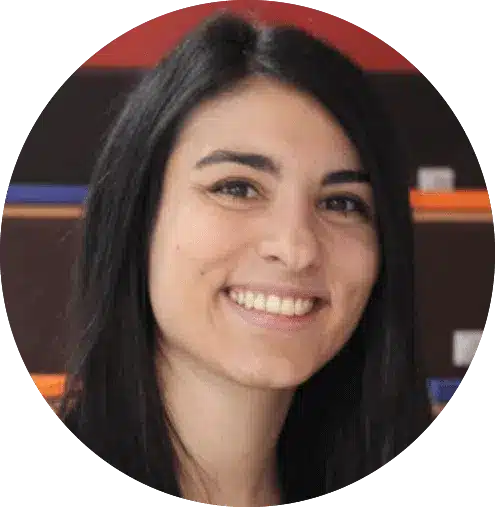
Every year, more than 4.7 billion cups are thrown away in France, of which only 1% is recycled. In 2016, Caroline Bettan took action by creating Newcy , which offers companies the option of using reusable cups directly in vending machines, water coolers , and cafeterias. Manufactured in Brittany, these cups are 100% recyclable and can be used for more than ten years!
His eco-friendly habits:
- Always carry a reusable water bottle with you: "It's essential, just like having a water jug at home to avoid disposable water bottles."
- Carry a reusable bag with you: "To refuse the bags that are still often offered to us in stores."
- Use solid soap and shampoo to avoid disposable bottles.
Damien Sans de Vandière, Pablo Bouzy, and Thibault Salaün, co-founders of The Trust Society
Their story
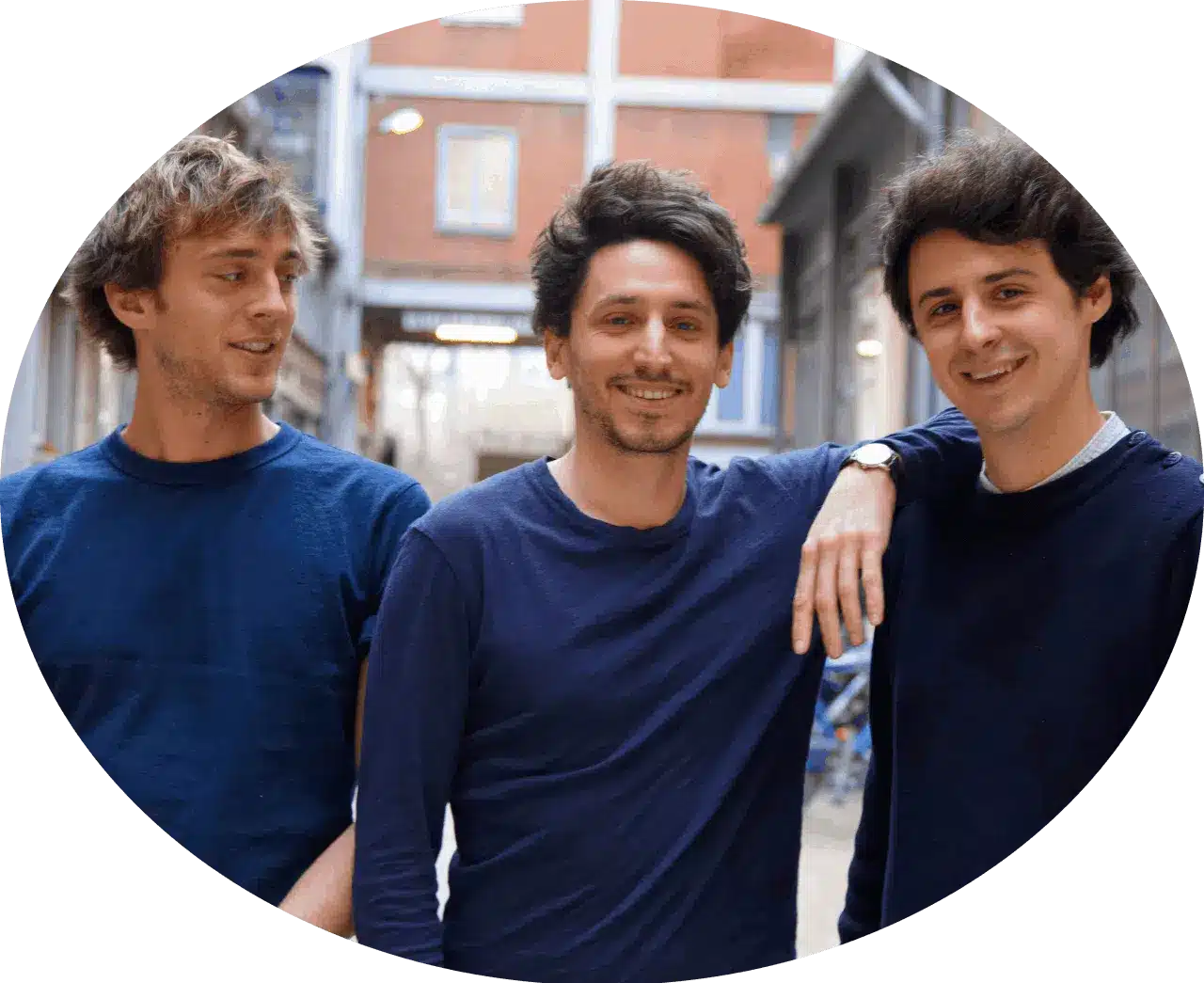
The Trust Society is the story of three friends, Damien Sans de Vandière, Pablo Bouzy, and Thibault Salaün, who were concerned about environmental issues and decided to leave their jobs to promote responsible everyday consumption. Their website offers more than a hundred products that are good for the planet and good for your health, carefully sourced and without unnecessary packaging: "We realized that there were artisans making great products, but they weren't being promoted properly," explains Pablo. " We wanted to put all our energy into supporting people who deserve it," continues Thibault.
Consume positively at your own pace
“Today, the ground is fertile for eco-responsible consumption because many people are asking questions; we can no longer remain ignorant. Our job is to help those who want to change and to do so in the gentlest way possible,” says Pablo.
Their eco-friendly habits:
- Start small and take it step by step with products that don't change our daily lives: "There's so much choice when it comes to starting your transition: pay attention to packaging when you go shopping, switch to natural products (shampoo and soap, for example)... Just by doing that, you're supporting a local producer and you have zero packaging. The bathroom is a gold mine; there are so many things you can change easily. The idea is to create small new habits every day (as suggested by the website 90 Days). The best way to get started is to make it a game." Thibault
- Always carry reusable cutlery and a water bottle with you: "It's basic common sense. I think it's absurd to cut down trees for cutlery that we use for 10 minutes, or to buy a plastic bottle every day." Damien
- Stop eating beef: "Without necessarily becoming vegetarian, this single action has a significant impact, as the beef industry accounts for 41% of global greenhouse gas emissions. Air travel accounts for 1.5%!" Thibault
- Changing banks: "It's a big change! If we stop buying products with plastic packaging, they won't sell anymore, and it's the same here: if we start putting our money only in banks that choose to finance ethical projects (such as Hélios or La Nef), there will be no more money to finance projects that aren't ethical. It's drastic, it's like saying we should stop flying, but it has a real impact." Pablo
Yves Daumas, Regional Director at Ekodev
Its history
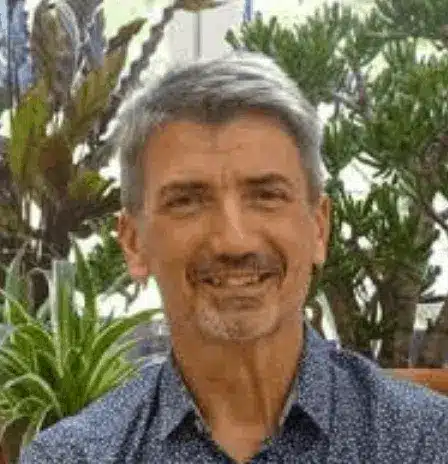
Yves Daumas joined Ekodev just over a year ago. Ekodev is a consulting and service agency that puts all its energy into offering concrete actions for companies wishing to adopt a sustainable and environmentally friendly approach.
His eco-friendly habits:
- Ban plastic cups and bottles: "Always bring your own cup/mug/water bottle with you or to your office!"
- Reduce everyday packaging: "Choose solid hygiene products for your bathroom and avoid pre-packaged products at the supermarket."
- Do one positive thing every day by picking up a piece of trash from the ground: "Bend down at least once a day to pick up a piece of plastic trash that has strayed from its path to the trash can or recycling bin. Otherwise, sooner or later it will end up in the sea..."
Samuel Olichon, founder of Anotherway
Its history
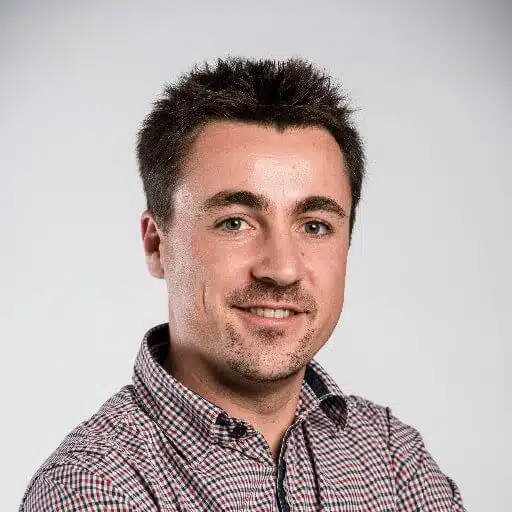
Samuel Olichon is a Breton living near the Calanques in Marseille. An entrepreneur at heart and in search of a meaningful project, he had a lightbulb moment during a trip to Australia, where he discovered bee wrap, a fabric coated with beeswax that protects food. Much more environmentally friendly than single-use plastic wrap! Back in France, he founded Anotherway in November 2018, a platform that offers these famous bee wraps, as well as many alternatives to everyday disposable products.
Eliminating single-use plastic: good for the planet and good for encouraging manufacturers
“I am one of those who believe that there is no such thing as a small gesture when 7 billion of us are doing it. […] I think that if each of us started taking action to eliminate single-use plastic, we could improve our footprint on the planet and also get manufacturers to take action.”
His eco-friendly habits:
- Switch to coffee beans: "I invested in a real coffee machine for my kitchen that grinds the beans directly. I've gotten into the habit of taking my container to the local roaster to get my coffee beans. The quality is just as good, if not better, and the price is much lower. You can even use the coffee grounds to feed your plants and even your skin!"
- Opting for eco-friendly toothpaste: "In my bathroom, I'm currently testing several alternatives to traditional toothpaste. Traditional toothpaste may contain ingredients that are harmful to our health, and the tubes are difficult to recycle. I've tried some DIY recipes, including one based on activated charcoal! These small changes aren't always easy, but they have a real impact."
- Using bee wraps to protect food: "In my daily life, whether I'm cooking, enjoying drinks by the Mediterranean, or going shopping, I always have a bee wrap with me to avoid plastic wrap and bags. I use it especially when I go to buy cheese, pastries, sandwiches, etc."
Clément Houllier, co-founder of Auum
Its history
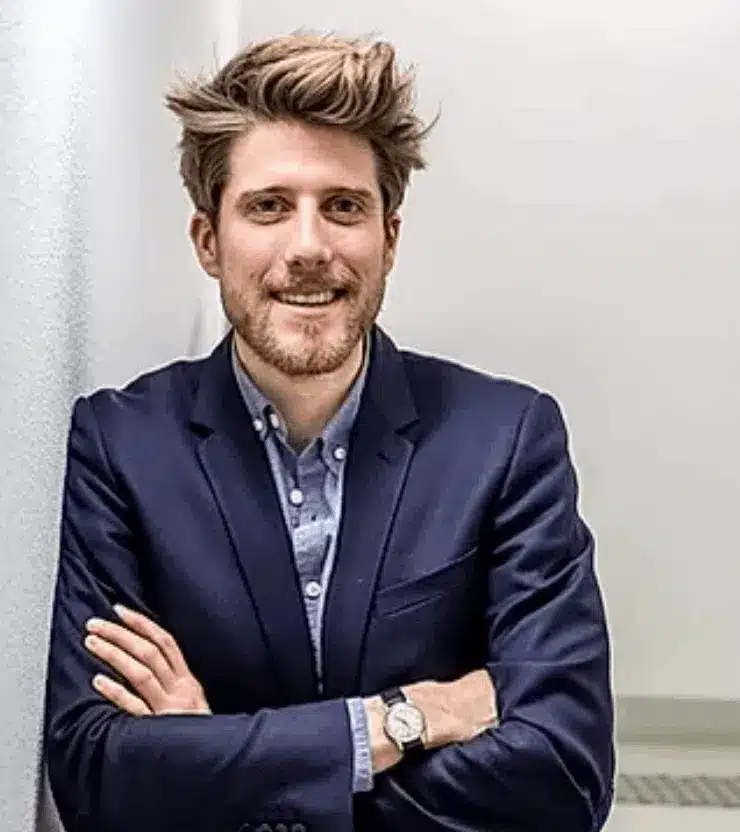
When they realized that 35 to 50% of plastics was lost in the environment and 20 to 40% was collected in landfills, Clément Houllier, Mathieur Bouris, Thomas Munoz, and Maxime Prieto wanted to take action for the planet, but in a modern way: "We were cleaning for industries and we realized that cleaning could make a huge difference if we thought about it differently. In particular, it would allow for the widespread reuse of items instead of throwing everything away," explains Clément. Their fight quickly focused on single-use items, as they wanted to have a real impact on the world around us by encouraging zero waste in businesses. Auum was founded in early 2019 and offers cleaning solutions for reusable cups and mugs.
Reuse rather than discard
“Awareness is real: we see it in companies where our solution is promoted, not by the CSR manager but by the employees themselves, who no longer want to use disposable cups and are actively proposing alternatives. This momentum must not be allowed to falter, even when a health crisis strikes . Things are moving in the right direction, we just hope that we have enough time to bring about lasting change. For us, the future can be summed up in four words: clean up to reuse better.”
His eco-friendly habits:
- Consuming locally must be a priority: " I think we are all capable of making small efforts that enable us to enter into a dynamic of well-being and responsibility."
- Minimizing travel: “Lockdown was a good practical example! Of course, it's more enjoyable to see people in person, but we've seen that we can do at least 50% of these meetings via video without compromising the quality of the discussions. And traveling by bike, especially when spring arrives!
- Reducing meat consumption: "For those who love meat, make it a moment of conviviality and celebration so that meat consumption remains occasional."
- Use Auum to clean your glass: "because mugs and toilet taps are so last season ;)"
Chloé Cohen, journalist and creator of New Model
Its history
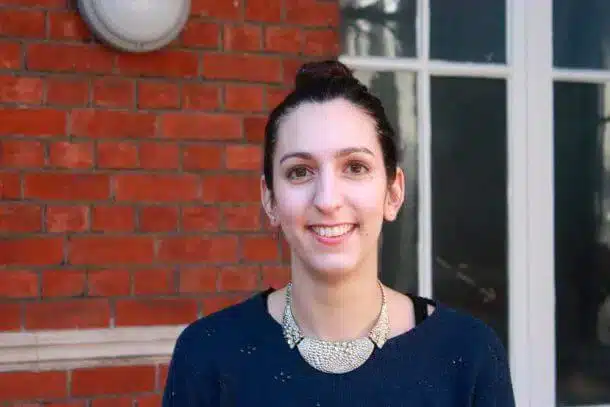
After several years working for various media outlets as a journalist, Chloé Cohen launched Nouveau Modèle, a podcast about responsible and socially conscious fashion, in September 2018. "It's a positive podcast, designed to show that there are solutions and alternatives to fast fashion (disposable fashion) and women committed to changing the industry," explains Chloé on her website. The podcasts include reports, testimonials, and profiles.
His eco-friendly habits:
- Take a tote bag with you wherever you go: "Say no to all plastic bags that are offered to you (including for fruit and vegetables): always take tote bags, large bags, and small cotton bags with you when you go shopping."
- Choose glass bottles: "Or opt for returnable bottles—the L'Intendance online store offers this system—and solid soaps for the body and hands!"
- Always carry a water bottle with you: "This means you don't have to buy plastic bottles, even when traveling."
- For women, opt for period panties and/or eco-friendly sanitary protection.
Thomas Huriez, founder of 1083
Its history
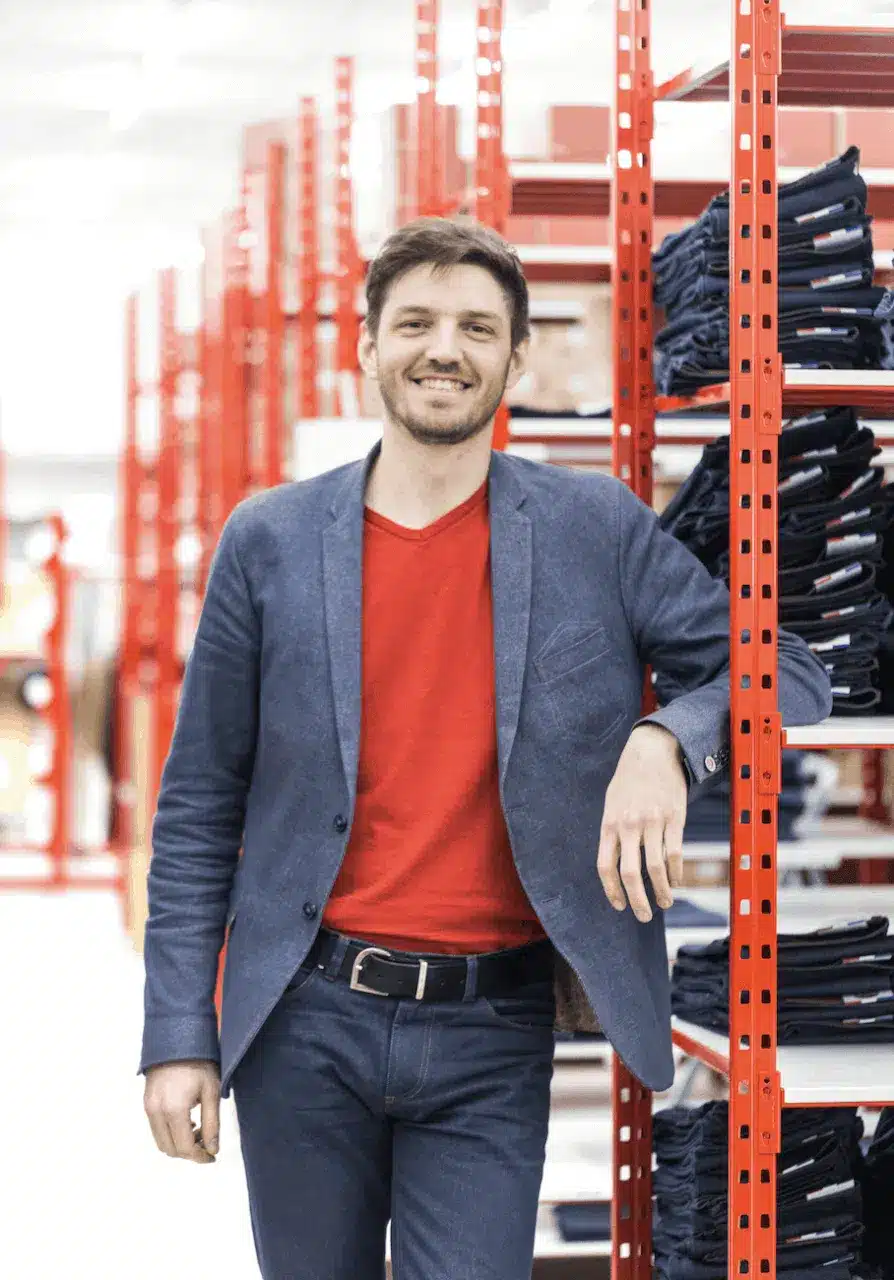
Thomas Huriez, a computer scientist, was bored at work. So he moved to Romans-sur-Isère, his grandparents' village, to open an ethical fashion boutique. After a few years of learning the ropes, Thomas created 1083 with the aim of producing cool, high-quality jeans that were as locally sourced as possible, but above all eco-friendly. Of the eight steps involved in manufacturing a pair of jeans, seven are carried out in France (the organic cotton is grown in Tanzania). "We had to mobilize to structure and save skills that were disappearing in France," explains Thomas, who also emphasizes the importance of the act of purchasing, which is far from insignificant: "More and more consumers have understood the impact of their purchases on our jobs."
Consume less to favor virtuous products
"Our turnover has increased fortyfold in seven years, which is significant growth that proves consumers' desire to favor eco-friendly products. Our goal is not infinite growth but "less but better": that people buy fewer jeans but of better quality and virtuous in terms of jobs and the environment. On average, a pair of jeans travels 65,000 km before reaching its destination. At our company, we count in hundreds of kilometers, not thousands."
His eco-friendly reflex:
- Consume less but better: "This applies to everything: when you buy chairs, bananas, tomatoes, jeans, or when you go to the hairdresser... Depending on the type of business you choose, the means of transport you use, the place of production... It changes the world we live in because money is distributed to one side of the economy or the other. It's a political choice, and it's essential to promote the circular economy, local consumption, organic products... All these alternatives that enable us to build a virtuous lifestyle."
Laetitia Van de Walle, founder of Lamazuna
Its history
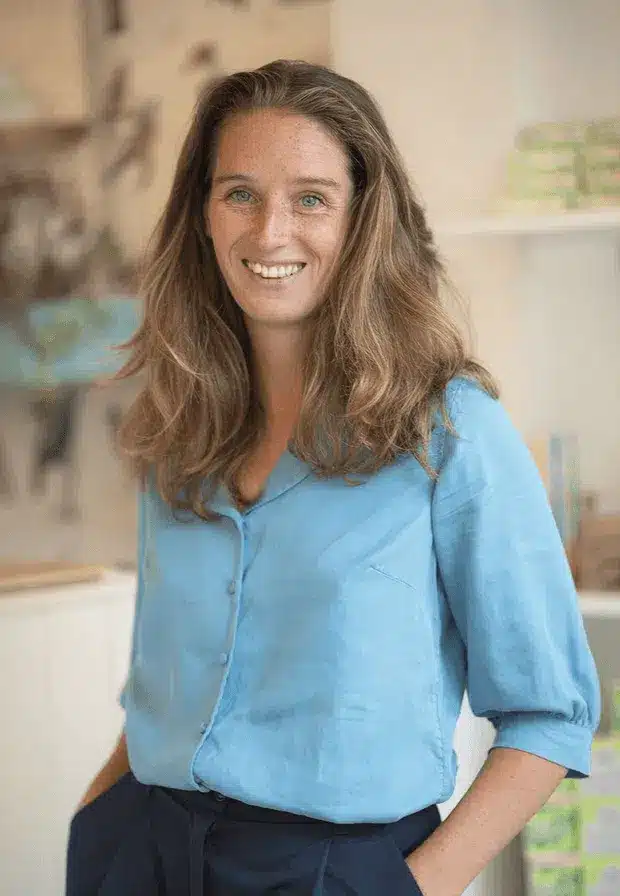
Founded in 2010 by Laetitia Van de Walle, Lamazuna is celebrating its 10th anniversary this year! It all started with the idea of offering washable makeup remover wipes. One thing led to another, and Lamazuna now offers a range of zero-waste bathroom products. Laetitia wants to make her products as virtuous as possible: "I immediately set certain criteria: they had to be natural or organic, vegan, and handmade in France,"explains Laetitia.
COP 21, a turning point in environmental awareness
“When France hosted COP21, we saw a real awareness of issues such as waste, products made in France, veganism, and vegetarianism. It was very clear, and since then, it hasn't gone away. People came to us looking for solutions to the plastic problem, whereas before they had come more for the innovative, attractive, colorful, slightly offbeat aspect. In 2015, we became a solution to this problem."
His eco-friendly habits:
- Changing your shampoo: "You should switch to solid shampoo, which has a great effect on your hair. The other advantage is that shampoo bottles take up a lot of space in the trash, so you quickly realize that with solid shampoo, you drastically reduce waste: it's good for your morale to see that this small change has a very visible impact."
- Choose ear picks over cotton swabs: "Even though plastic cotton swabs have been banned since January 2020, ear picks (originally from Japan and China) remain a great alternative: they avoid cardboard cotton swabs, which are not recommended by ENT specialists as they can cause earwax blockages. This eliminates pollution and physical discomfort. "
- Opting for solid toothpaste: "It's the hardest, because it doesn't foam as much, the taste isn't necessarily very pleasant, and you have to scrub a little harder, so it requires a little extra effort."
- Choose cocoa butter: "It's our favorite. It smells amazing, it's zero waste, it's natural so our skin loves it, and it makes our skin even softer when we massage it in!"
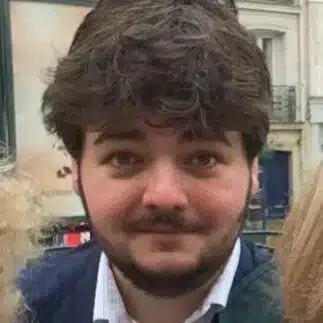
Armand Bégué, former project coordinator at Zero Waste Paris
Its history
For over a year and a half, Armand Bégué devoted all his energy to the Zero Waste Paris association, which promotes zero waste and zero waste in Paris and the Île-de-France region. Its objectives are to raise public awareness of the environmental issue of waste and to highlight all existing solutions for reducing it. Zero Waste Paris advocates to collective decision-makers to support the transition to a zero-waste approach.
His eco-friendly habits:
- Replace plastic bottles with a flask/thermos for hot drinks.
- Limit last-minute purchases of single-use products: "Carry your own cutlery (metal or plastic) and Tupperware (glass or plastic) with you, and avoid buying overpackaged snacks (by always carrying a piece of fruit in your bag, for example)."
- Buy as much as possible in bulk: "Use jars, reusable containers, and bulk bags to avoid plastic food packaging. It's a big change in our habits, and a big step towards zero waste!"
Beena Paradin, founder of La Maison des Mélanges

Its history
After a dinner with friends, they set Beena Paradin a challenge: to write her first cookbook. She rose to the challenge and published three! Beena then went on to learn from renowned chefs such as Alain Ducasse and Olivier Rollinger, with whom she developed a range of Indian spices. In 2013, Beena created La Maison des Mélanges, a website offering a wide variety of healthy, gourmet, and vegetarian exotic products.
The spicy revolution of vegetarianism
“We believe that eating plant-based means eating healthily, discovering new flavors, and respecting the planet's resources and those who cultivate them. Our mission is to make vegetarian food a happy, responsible, and free choice, without stereotypes about taste or gender. We want to revolutionize eating habits and reconnect eaters with themselves and with those who grow their food.”
His eco-friendly habits:
- Bring a water bottle: “This means you don't need plastic bottles! Fill it up as often as you like, CASTALIE at a CASTALIE water fountain!”
- Buying in bulk: “At La Maison des Mélanges, we offer all our products in bulk. Ideally, you bring your own cloth bags and fill a glass or metal jar at home.”
- Have an insulated lunch box to take your lunch with you: “No more plastic or microwaves!
Honorine Leconte, founder of Les Pailles

Its history
During a trip to Bali, Honorine Leconte was shocked by the amount of plastic waste in the water and on land. There, she discovered bamboo straws, a material that caught her attention. In France, there were few alternatives to plastic straws, so she launched her website Les Pailles, where she lists and sells around 20 compostable, edible, and reusable solutions for professionals.
A generation in search of meaning and awareness
"In recent years, there has been a real awareness of the impact of plastic on the environment. Our generation is very aware, attentive, and above all, very committed. Many of our customers were already in the process of eliminating plastic long before the law banning single-use plastic was passed."
His eco-friendly habits:
- Limit products with unnecessary packaging: "There are so many plastic and cardboard packages that serve no purpose, like toothpaste packaging!"
- Switch to reusable items: "A straw is used for 20 minutes but will take years to disappear. There are many simple solutions for starting to eliminate plastic in cafes, bars, restaurants, festivals, and businesses: change straws, cups, napkins, stirrers, etc. The excuse that "we don't know where to buy them" is no longer acceptable, as there are many options on the market. The cost may be slightly higher because plastic costs nothing, but the investment is quickly recouped because the products are reusable and have a much longer lifespan."
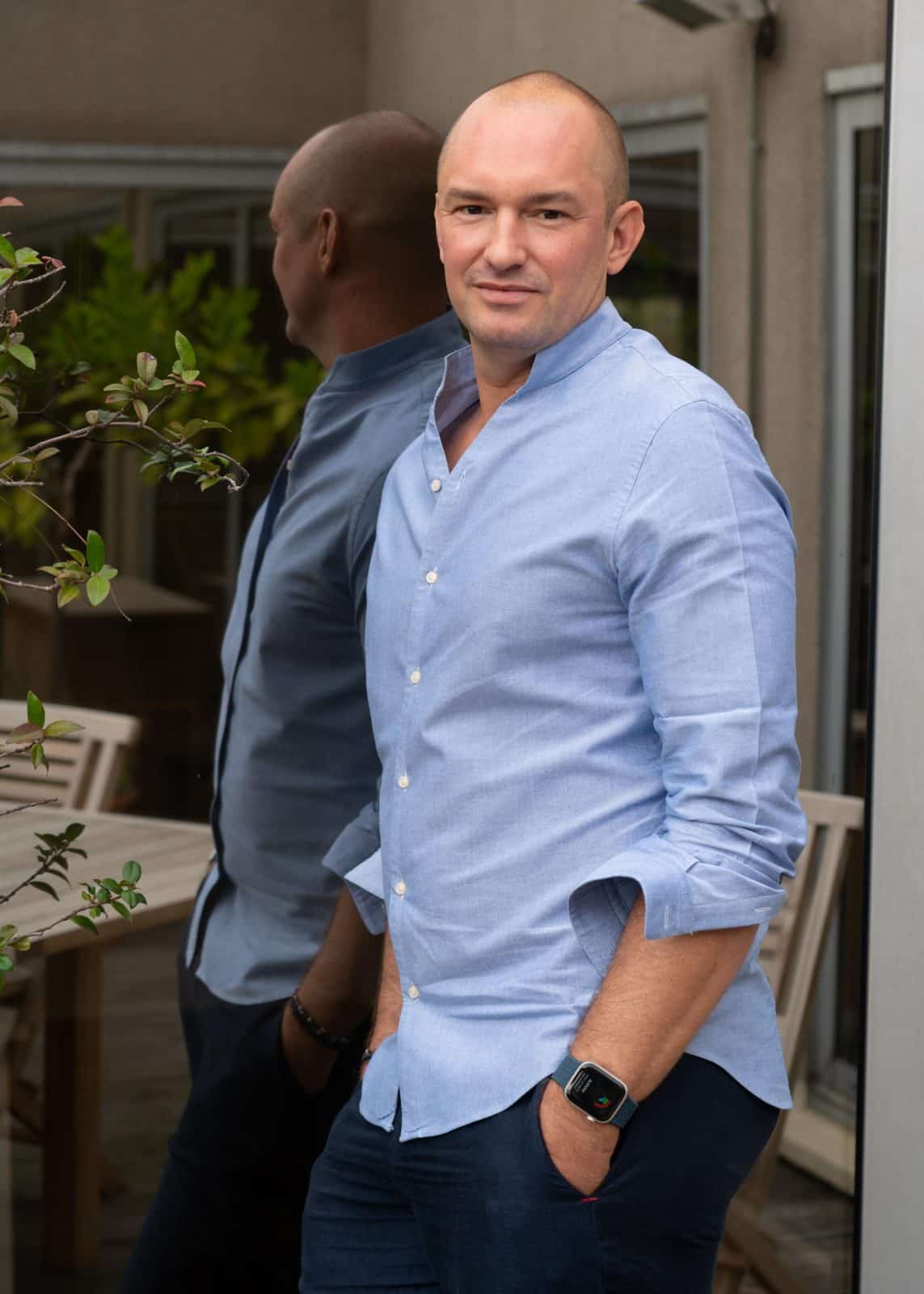
Thibault Lamarque, founder of CASTALIE
Its history
After several years at Veolia and Alter Eco, Thibault Lamarque embarked on a career in impact entrepreneurship and founded CASTALIE 2011. The goal: to offer businesses, hotels, and restaurants a comprehensive solution for eliminating plastic bottles and reducing storage space, thanks to a wide range of eco-designed water dispensers and zero-waste, zero-plastic accessories.
His eco-friendly habits:
- Use solid products: “It's easy to switch to solid soaps and shampoos in the shower. I'm particularly fond of the Lamazuna brand!”
- Adopt a water bottle: “I always have my water bottle with me throughout the day. I personally opted for a glass bottle, and all CASTALIE employees receive CASTALIE when they join the company.”
- When it comes to cooking, I buy in bulk: “I go to Biocoop, Day by Day, and more recently Les Nouveaux Robinsons. I also like going to the market because I use my own reusable bags to avoid unnecessary packaging.”
Jeanne-Aurélie Delaunay, co-founder ofApiNapi
Its history
After 10 years in the film and audiovisual industry, Jeanne-Aurélie Delaunay and Marina Gning launched ApiNapi in 2010. The idea was to promote sustainable and environmentally friendly solutions by offering eco-friendly washable diapers, in line with the threefold approach of children's well-being, environmental protection, and solidarity. Today, ApiNapi also offers awareness-raising, training, and support sessions for families and professionals.
His eco-friendly habits:
- Use organic cotton makeup remover and cleansing wipes.
- Choose solid cosmetics (soap, deodorant, and toothpaste) and washable sanitary pads.
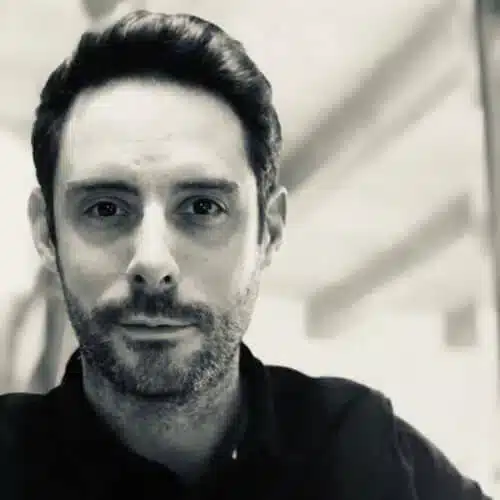
Julien Bardou, co-founder of #Happiness
Its history
#Bonheur was created in 2019 by Julien Bardou and Anthony Gayraud. After several years working behind the scenes in the cosmetics industry, the two friends decided to launch their own socially conscious cosmetics brand: "We wanted to build a new brand with a global experience, organic, clean products, and zero-plastic, zero-waste packaging,"explains Julien Bardou. "#Bonheur, because it's a simple, joyful, responsible, and committed brand!"
His eco-friendly habits:
- Find out about the brand before buying a product: "When you buy a new product, find out about the brand by visiting its website. What are its values? What is its environmental commitment? How is its packaging made? How is its value chain organized? It's very simple and often tells you a lot."
- Maximizing zero waste: “Even before zero plastic, let's maximize zero waste! It's clear that nowadays, even with good sourcing and good partners, we are often more focused on zero plastic than true zero waste. We are working towards it, but it is sometimes very difficult to find a completely plastic-free packaging solution. It's a daily struggle for us to break free from it, but we will get there!
- Consume branded products that promote minimal packaging: "Mostly made from infinitely recyclable materials, as proposed by #bonheur with glass."
Text: Jeanne Favas
Credits: Malaury Morin, The Trust Society, Elle, Chefsdentreprise.com, Honorine Leconte, Thomas Huriez, Arthur le Vaillant, Biocoop