On February 10, the law against waste was enacted, setting 100% recycled plastic target for 2025. This measure aims to curb the scourge of plastic pollution: in 2016, global production reached 396 million tons, yet nearly half of the plastic is used to create disposable products that last no more than three years, according to the WWF report on the subject. Poorly managed, this waste ends up in nature and in the oceans: 100 million tons of plastic waste is transformed into land or marine pollution , according to the NGO! In response to this, many organizations are promoting recycling as the solution.
However, does recycling plastic mean that less is produced and pollution is reduced? It's not that simple...
I sort, you sort, we sort... ♻️
The first drawback is that plastic must be sorted in order to be recycled! However, currently only 14% of used plastics are collected for recycling. Why is this?
- the very uneven geographical distribution very uneven distribution of recycling bins,
- the lack of national coordination regarding sorting instructions (the colors of bins may vary from city to city, which creates confusion among users),
- the lack of access to information, which prevents the act of sorting from becoming a true reflex.
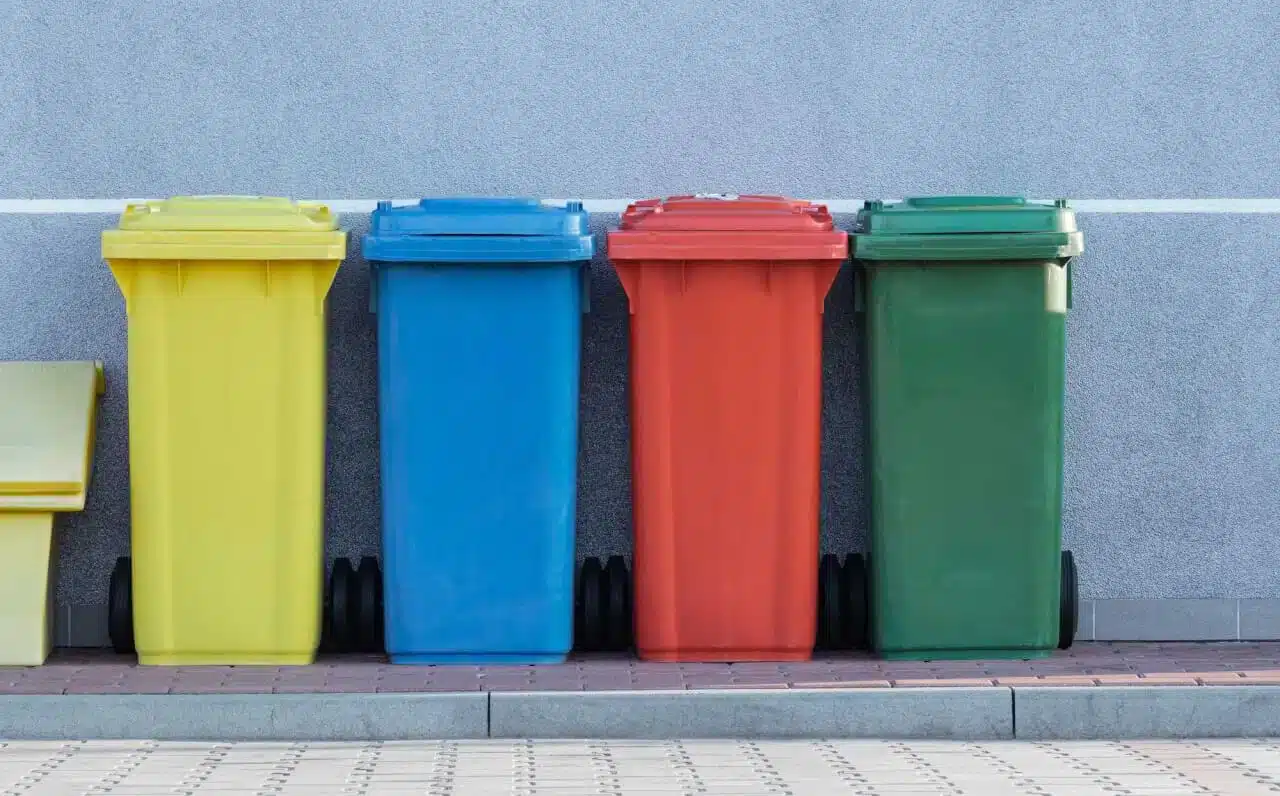
However, more and more French people are sorting their waste ! 89% of them sort their packaging, 51% of them systematically, according to a survey Ipsos survey for Citeo. A great achievement, but it's not enough! Just because plastic is sorted doesn't mean it will necessarily be recycled...
Plastic recycling isn't automatic...
Plastic, a volatile material 🌬
" Nothing is lost, nothing is created, everything is transformed ," said the late Lavoisier. Unfortunately, this was before the invention of plastic, for which the transformation process is synonymous with heavy losses.
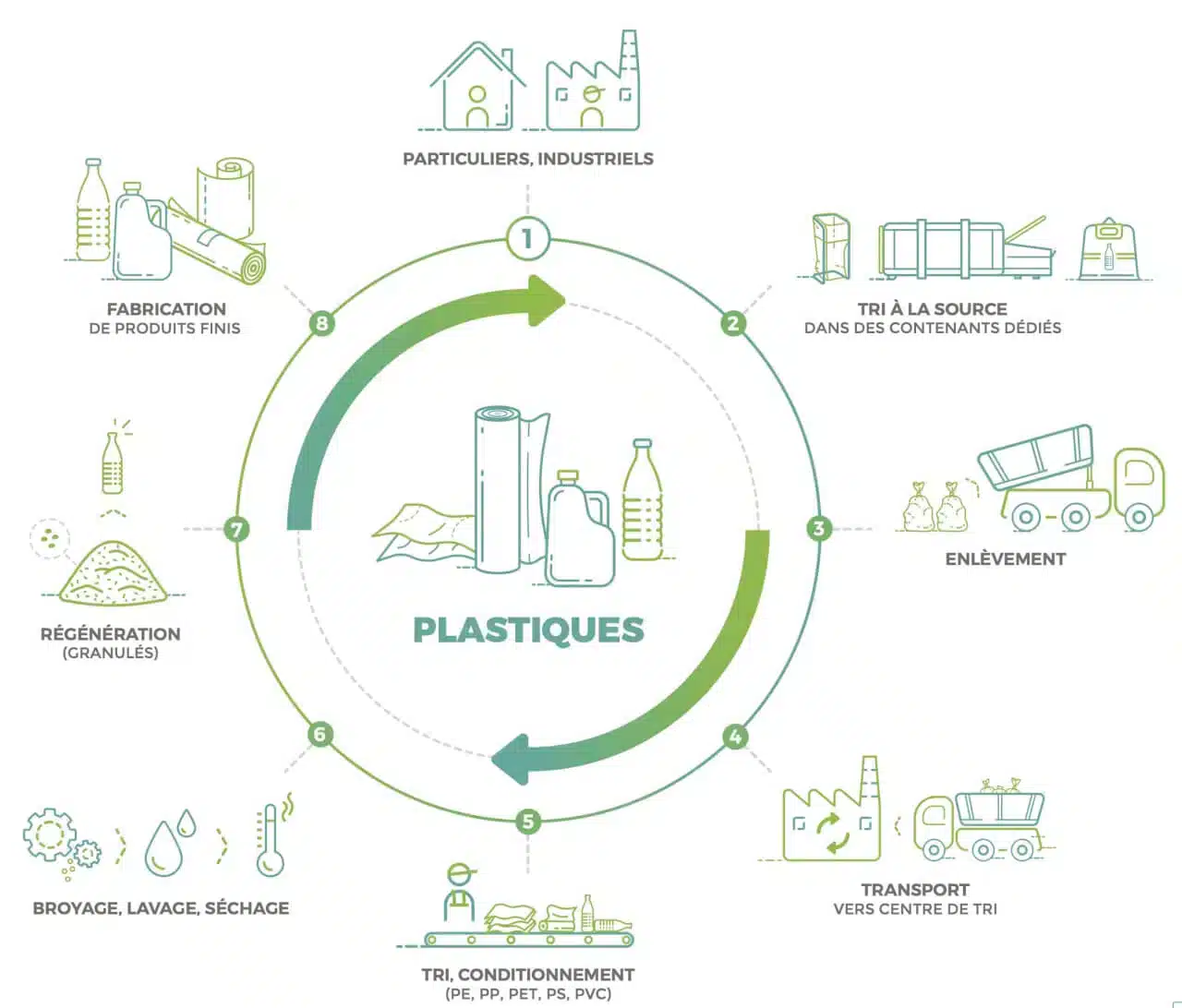
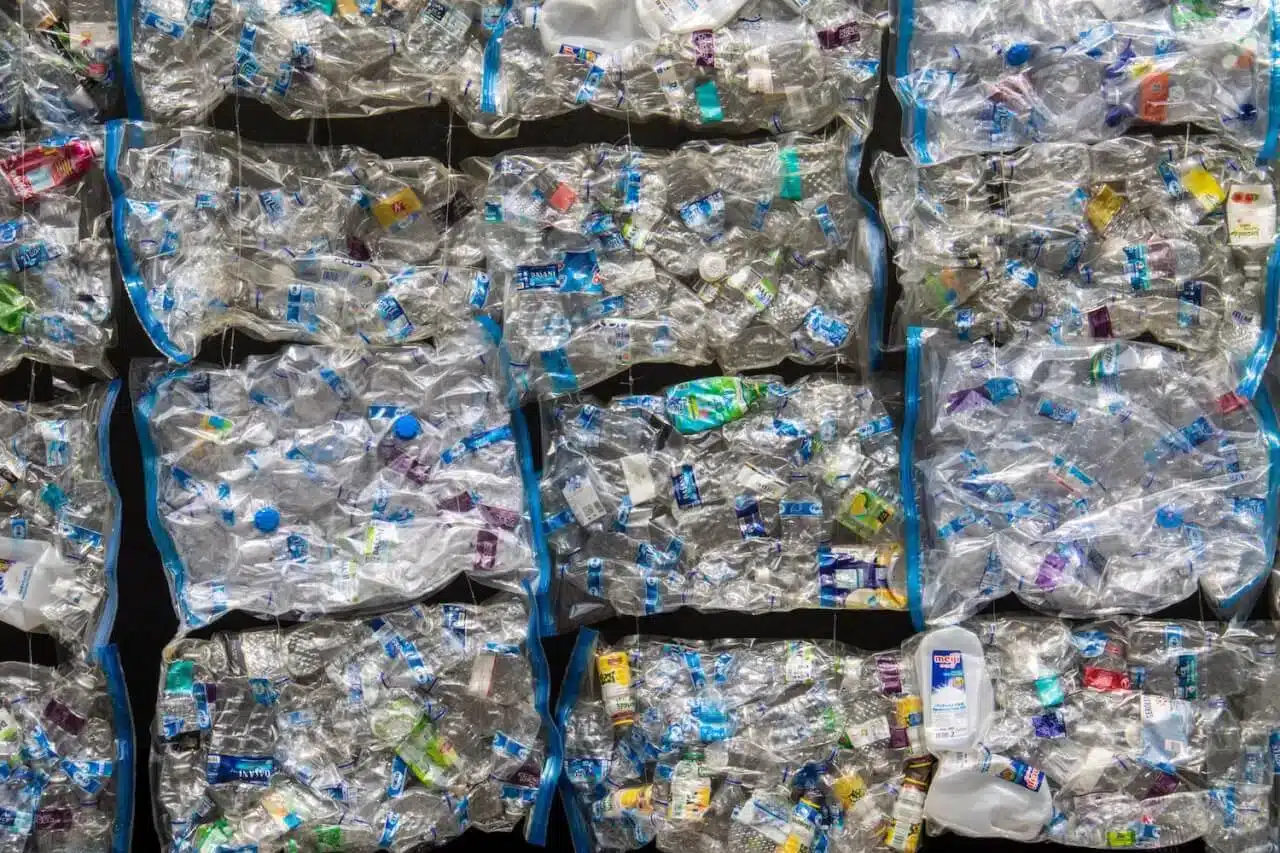
Once at the sorting center, the various plastic materials are separated, then compacted into "bales" and sent to a recycling center, where they are cleaned, crushed, and transformed into flakes, which are then washed again so they can be reused. As these flakes are volatile, some of them are lost during the transformation and transport processes, dispersing into the environment... These flakes end up in the soil, the oceans, and in human and animal organisms, among other places! These losses are significant, since of the 14% of plastic collected for recycling, it is estimated that 4% of the volume is lost, according to Nathalie Gontard, research director at the French National Institute for Agricultural Research.
Plastics vary in their recyclability ✋🏽
For plastic flakes that will actually be recycled, things are not much simpler. It is important to note that there are currently around six different types of plastic in most of our packaging, two of which are easily recyclable:
- PET (polyethylene terephthalate, to give it its full name), which is found in water bottles, among other things, is the only type that can be recycled for all types of use, including food.
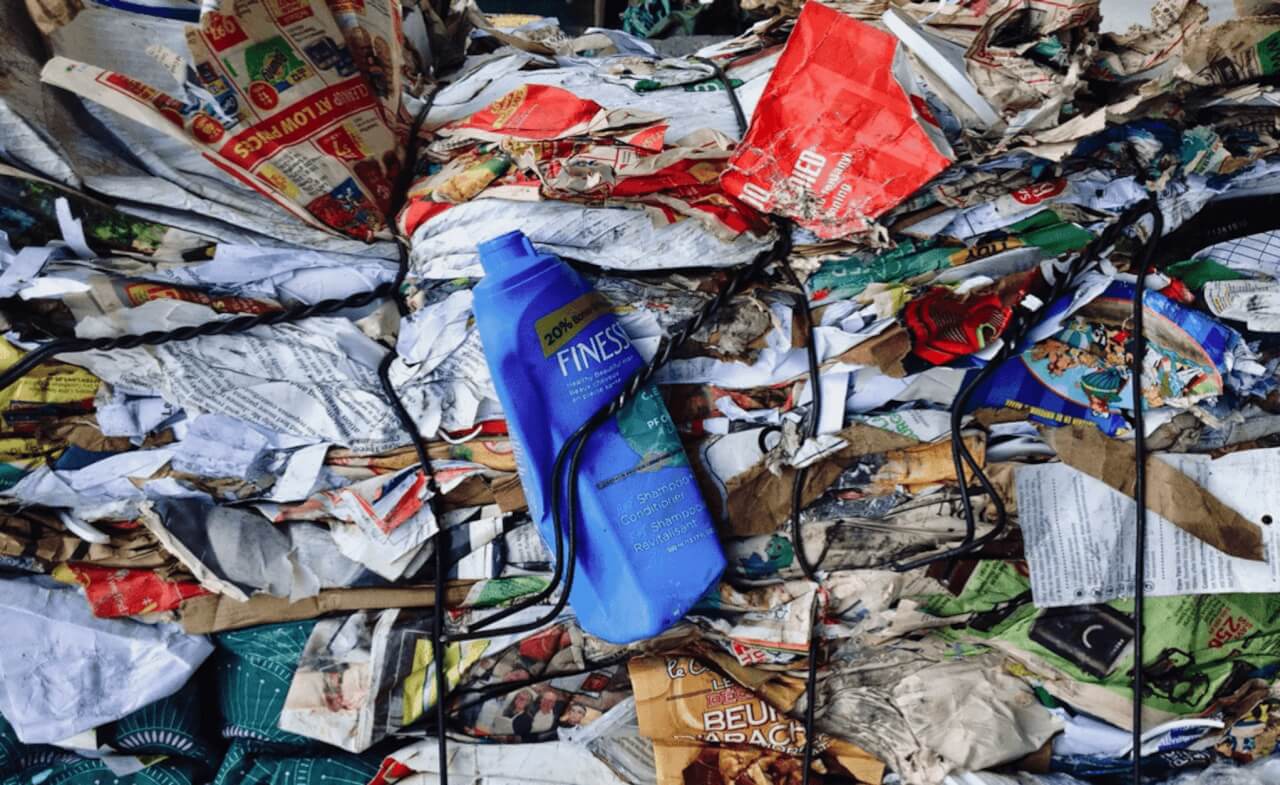
- HDPE (also known as high-density polyethylene, HDPE for short), such as that used in shampoo bottles, milk bottles, or laundry detergent containers, cannot be reused in contact with food, for example.
- Other plastics, such as polystyrene polystyrene, have virtually no means of being recycled, as they are not produced in sufficient quantities for the industry to be industrialized.
While some plastics can be reused for similar purposes, this represents only a very small proportion, and most are recycled into objects that differ from their original function, in a degraded state.
Recycling or “downcycling”?
An economy that's not so circular after all 🗑
In fact, only 8% of plastics that are actually recycled 8% of them are recycled in an open loop, i.e., for uses other than those for which it was originally intended. Plastic can thus be recycled into a sweater, a hanger, or a building material, for example, depending on whether it is PET or HDPE. Depending on its use, the plastic will have been weakened, loaded with additives and contaminants, and cannot be recycled a second time... Recycling is therefore not really recycling, since at the end of a cycle, the plastic will once again be waste that will have to be either incinerated or sent to landfill. This is why some experts refer to "downcycling" rather than recycling! A phenomenon that Flore Berlingen analyzes beautifully in her book "Recycling: The Great Smokescreen" published in June: according to the director of the Zero Waste France, endless recycling is a myth that needs to be dispelled.
A cleaning problem 🤔
For the small amount of waste that can be recycled in a closed loop, such as PET bottles, recycling is also recycling is limited : when plastic is cleaned, it is often damaged and becomes less resistant. It must then be mixed with virgin plastic to make a product of the same quality as the original, which means producing more plastic. Not to mention that while cleaning PET removes volatile contaminants, it does not remove heavy metals ! Subjecting these plastic pellets to multiple cleaning processes could potentially pose health risks to consumers , according to the European Food Safety Authority, as it is not known how residual contaminants behave and degrade over multiple cycles of use.
Finally, the recycling process process—which involves collecting waste and transforming it—is very energy-intensiveand, due to its use of decontaminating products, can pollute the environment. But if even recycling is a dead end, what can be done?
What solutions? 💫
Firstly, recycling is not futile since reused plastic, even once, will always be better than plastic left in the environment or virgin plastic produced from scratch. By 2025, France is expected to ban plastic from landfills, automatically redirecting it to recycling or incineration centers, which is a first step.
At the same time, new alternatives to plastic are emerging! Such as bioplastics, which actually include bio-based plastics (made from plants) and biodegradable plastics.
However, the conditions required for these plastics to degrade are rarely found in nature, and even less so in the marine environment. When degradation does occur, it is both very slow and often partial, leaving microplastic particles in the environment.
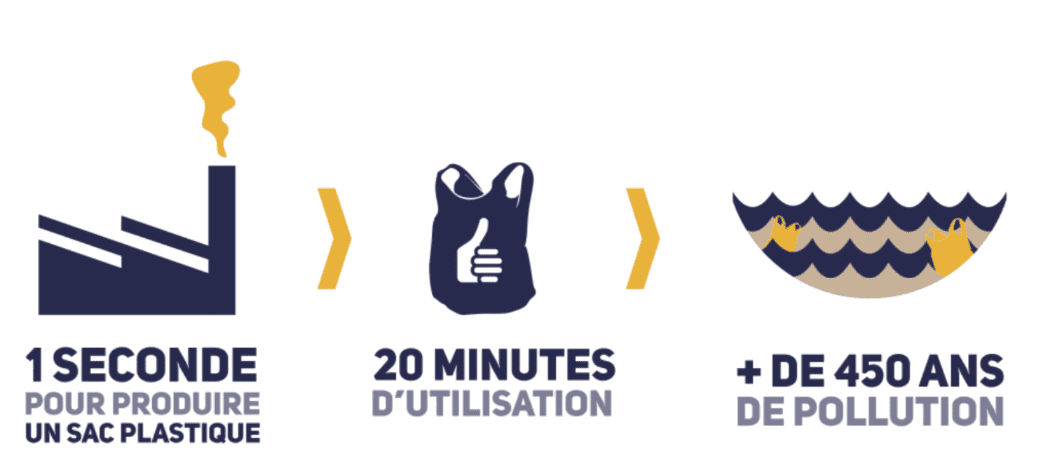
To drastically reduce plastic pollution, which could reach 29 million tons in the oceans by 2040 if nothing is done, according to a recent study published in the journal Science, the only viable solution is to reduce production. And so, quite simply, to stop consuming plastic. Buy in bulk, use reusable packaging, solid cosmetics, use a water bottle... There are many initiatives to reduce our consumption, and if the effort is collective and sustained, it should lead, slowly but surely, to a real decrease in plastic production! So, what are you waiting for to join the movement? 🌎🌳
Text: Coline De Silans
Credits: Surf Rider, Servipac-Salazie 2019, Nick Fewings, Pawel Czerwinski, Vivianne Lemay